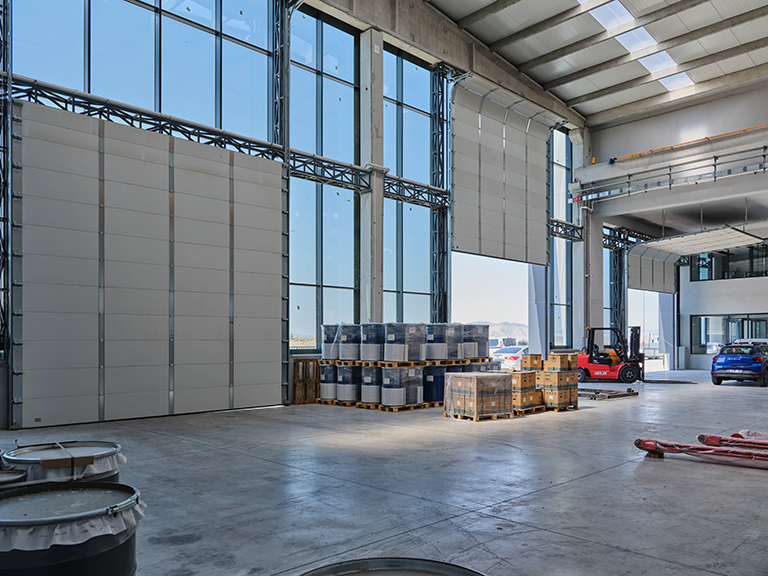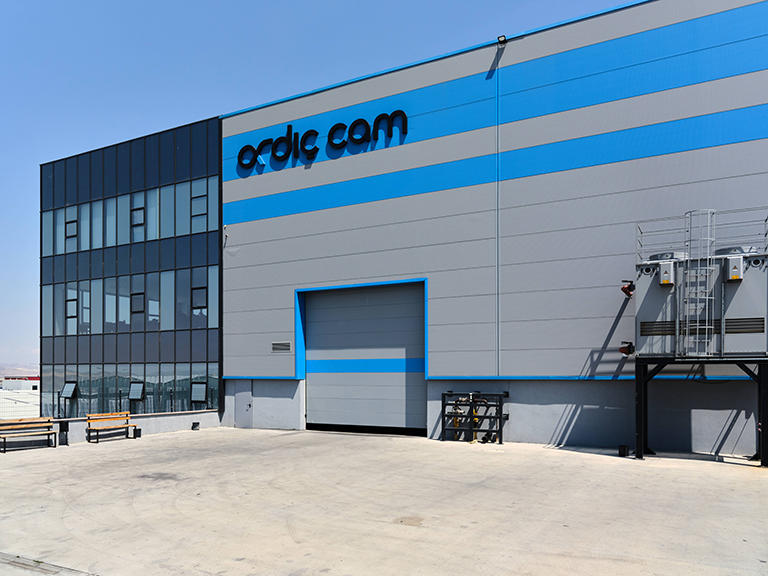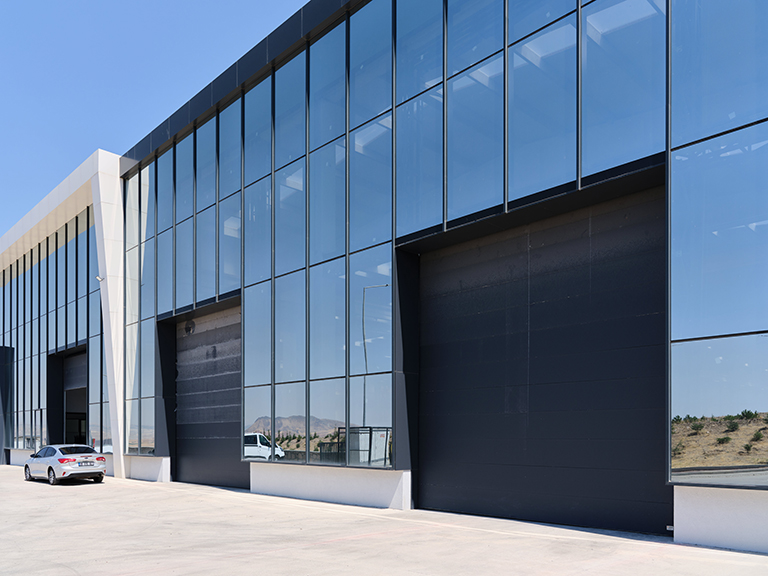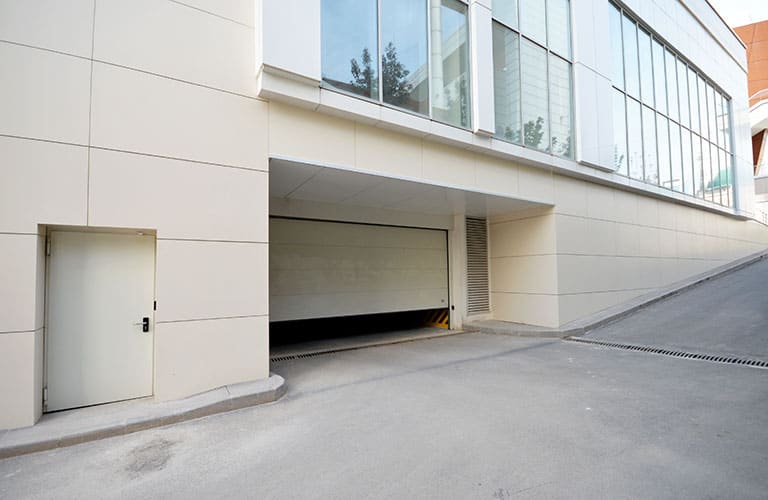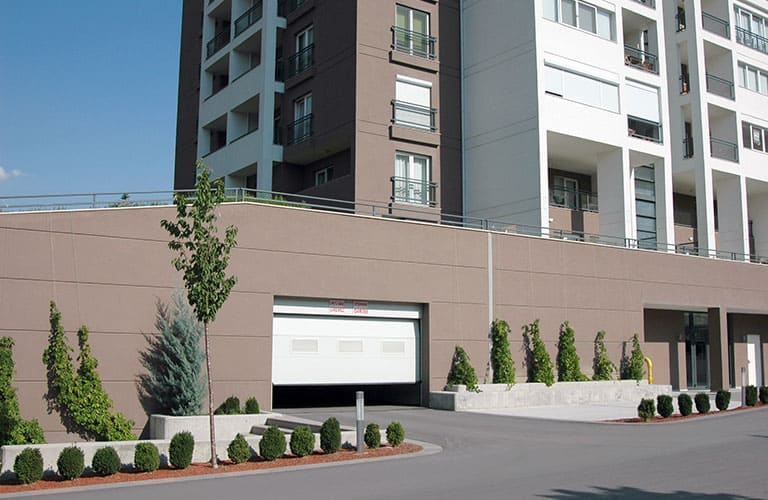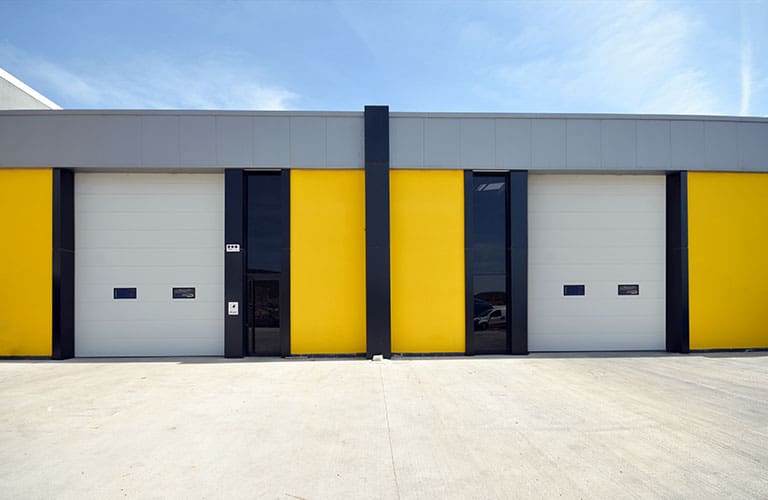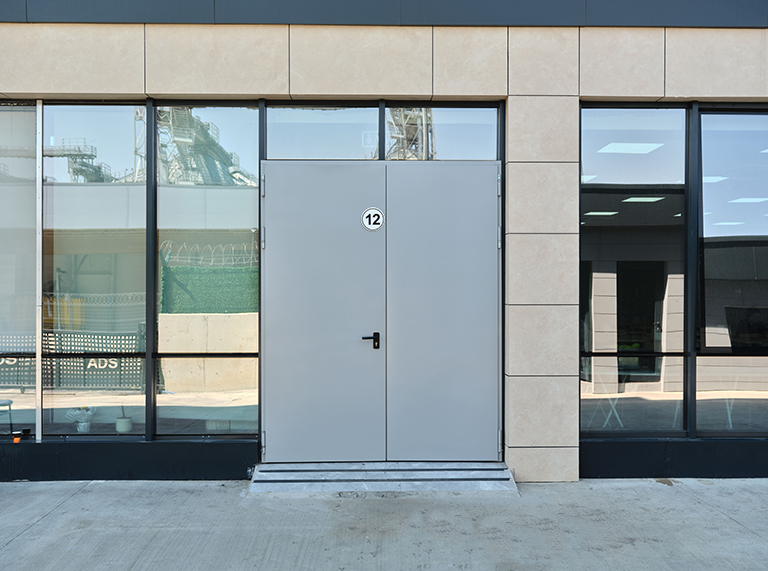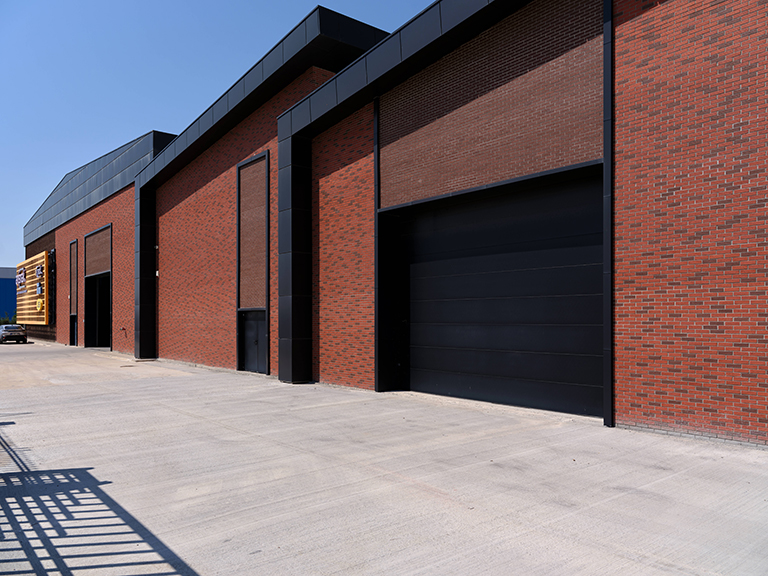
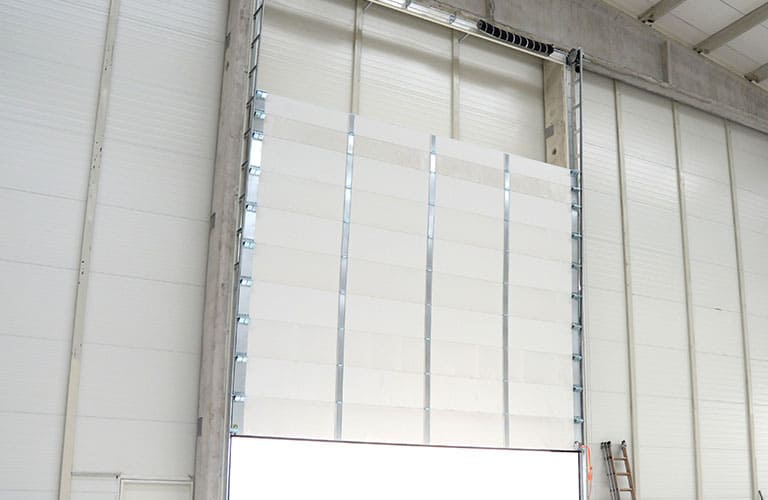
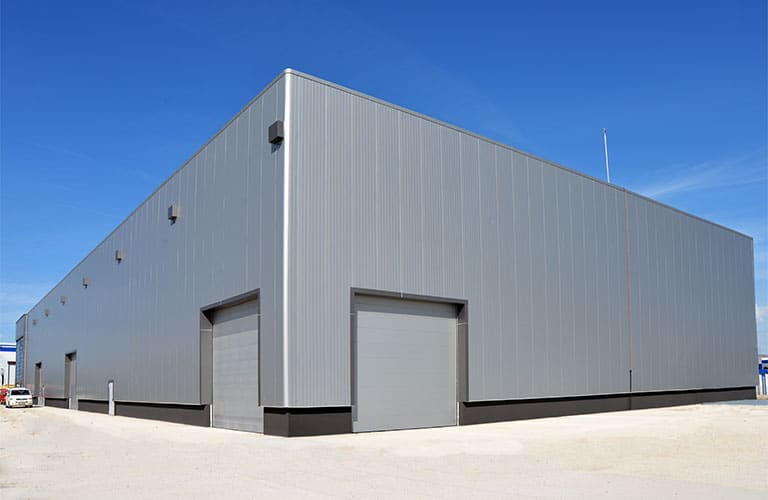
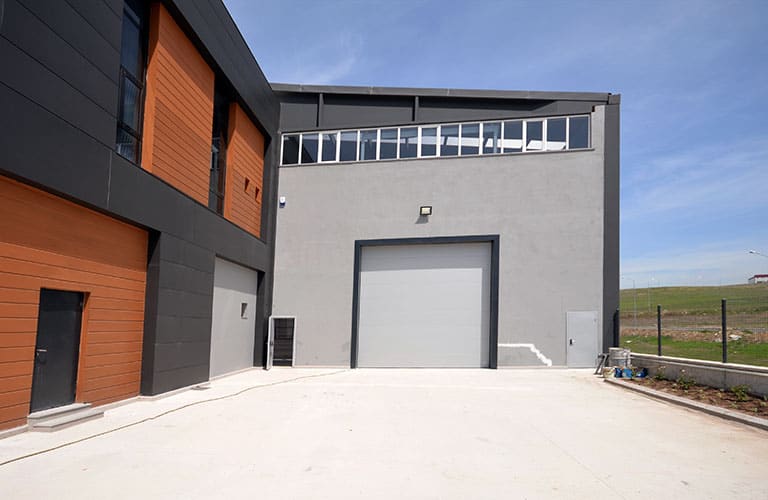
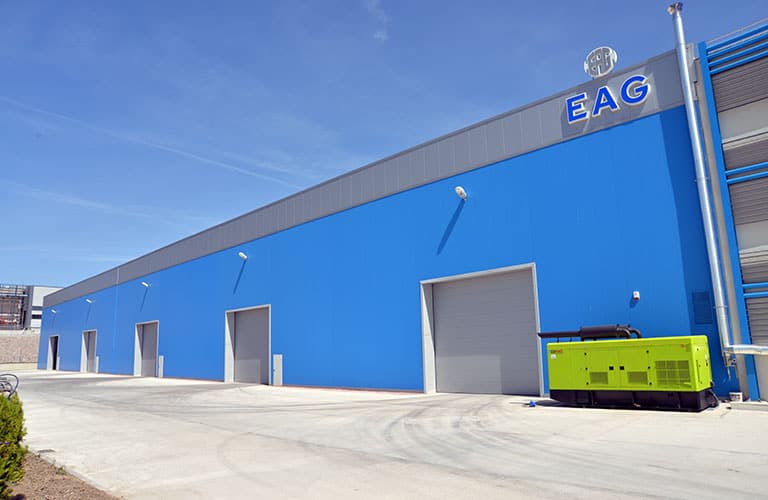
Sectional doors work by sliding the insulated panels horizontally on top of each other towards the ceiling and can be arranged according to the architectural characteristics of the buildings.


A sectional door is a modern door system made of horizontally stacked insulated panels that move upward and position themselves parallel to the ceiling. Surrounded by dust seals on all four sides and equipped with multiple safety systems, sectional doors are designed to fit any architectural structure and provide long-lasting, reliable performance. Thanks to their durable construction, high insulation value, and space-saving opening mechanism, sectional doors have become essential in both industrial and residential buildings.
One of the biggest advantages of sectional doors is their high thermal insulation, quiet operation, customizable sizes, and built-in safety features. This makes them suitable for warehouses, factories, logistics centers, garages, and commercial facilities.
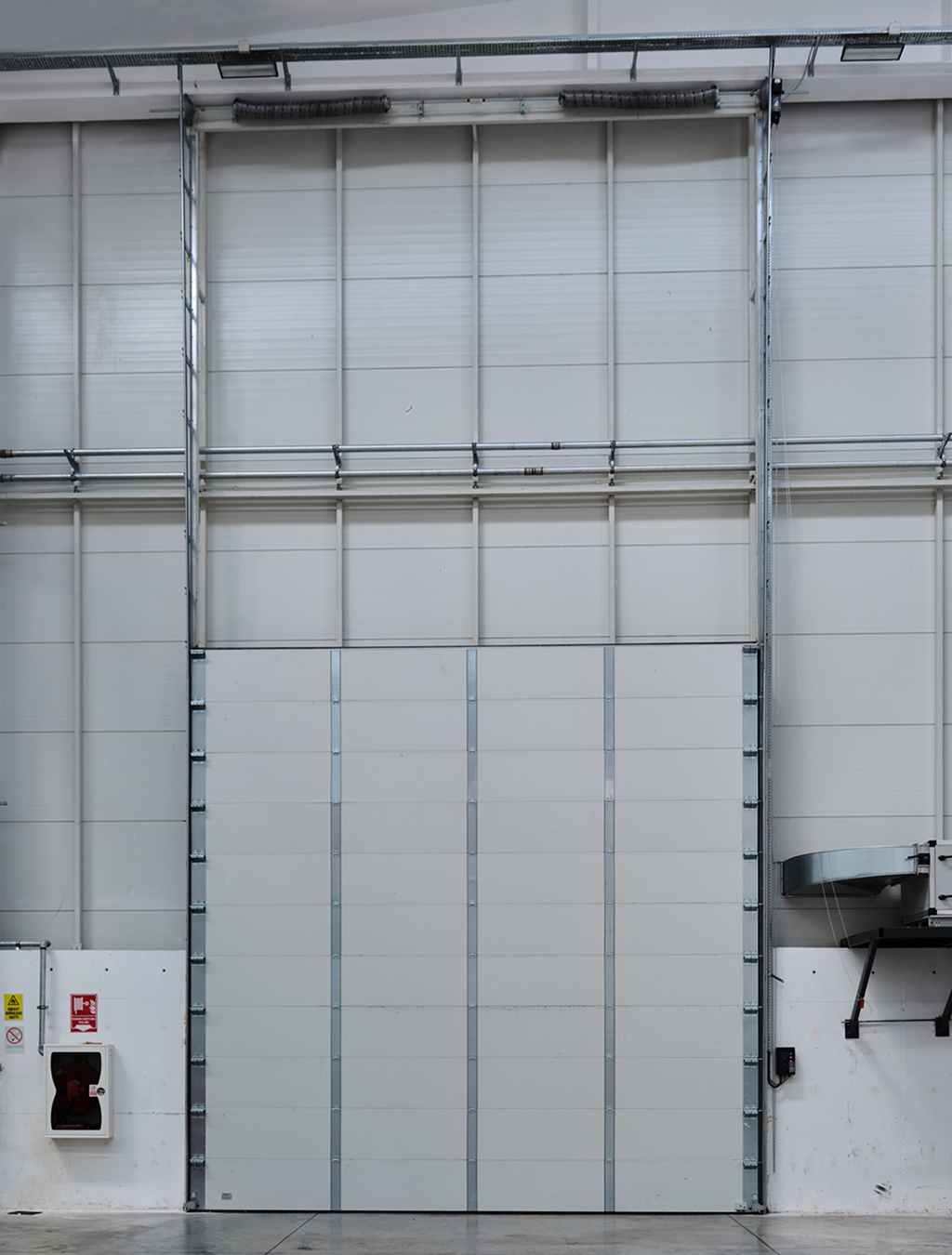
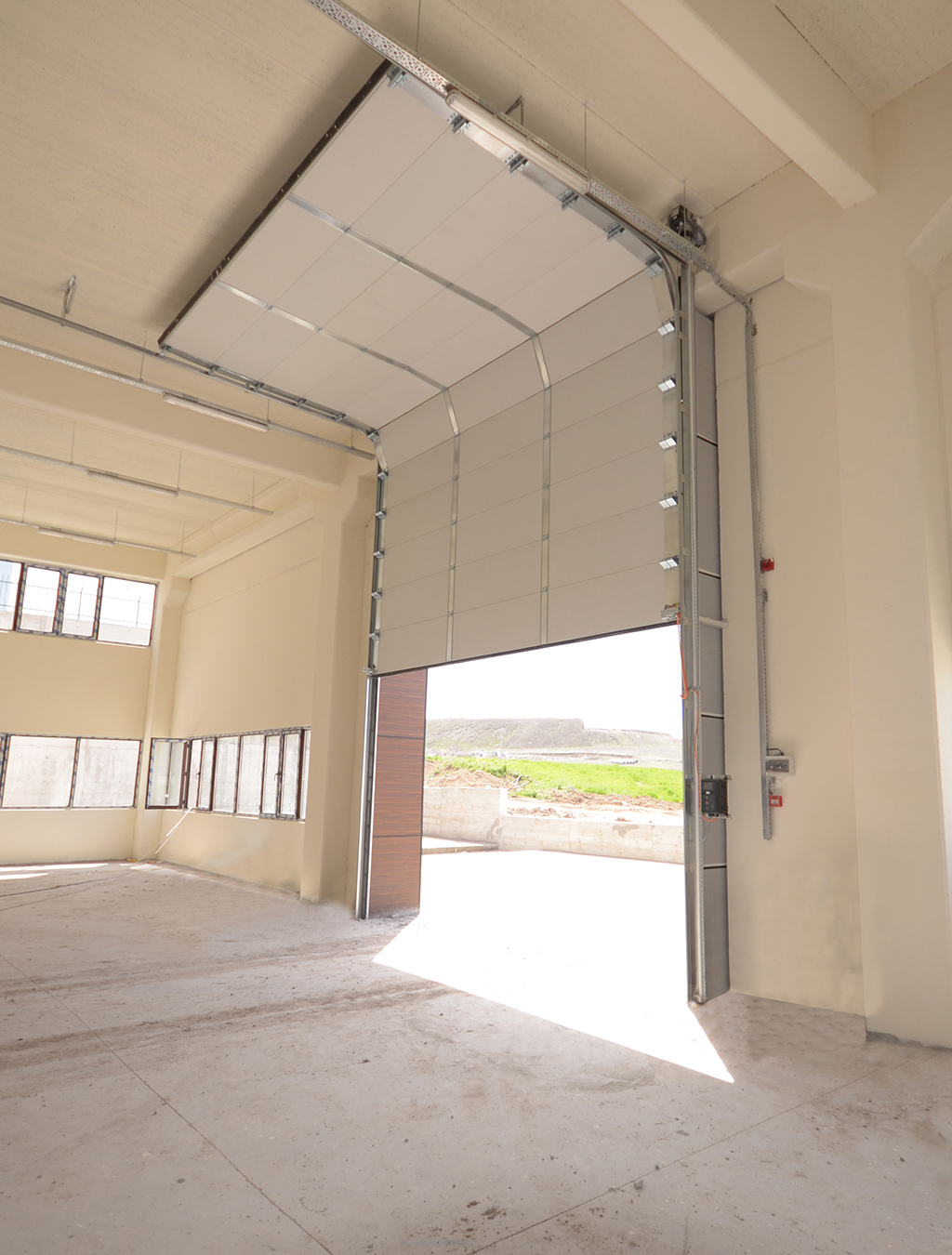
Sectional doors consist of several panels connected with hinges. These panels move along vertical and horizontal tracks using roller carriers and lift toward the ceiling. Their mechanism includes:
Thanks to this structure, sectional doors operate safely and efficiently whether they are manual or motorized.
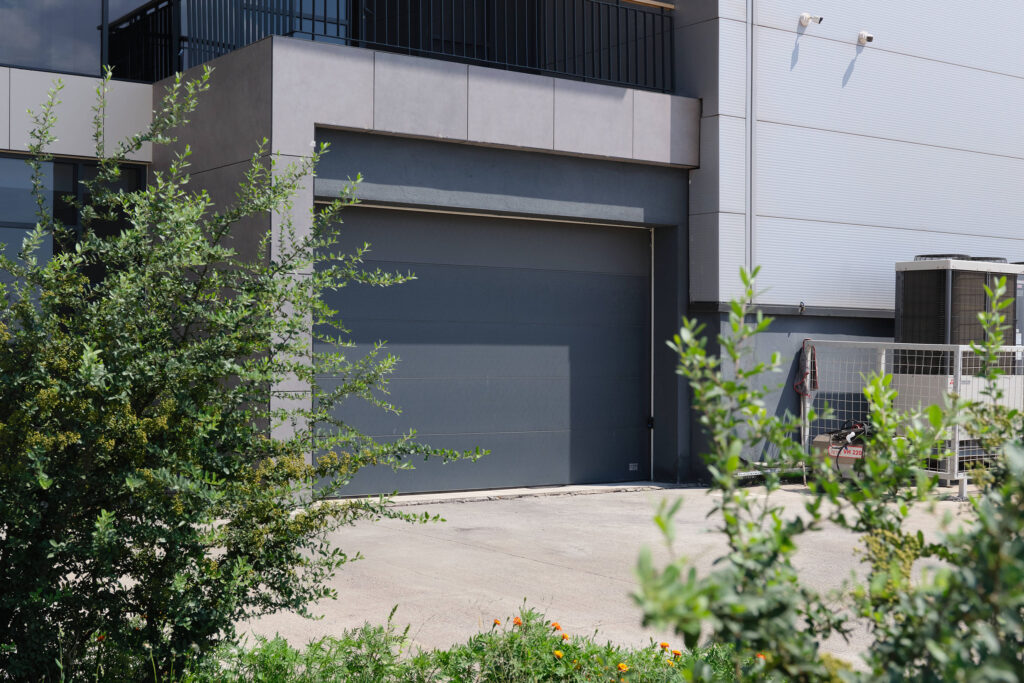
Most sectional door panels are 40–45 mm polyurethane-filled, providing excellent insulation that reduces heat loss and improves energy efficiency. They also reduce outside noise significantly.
Because the door opens vertically and slides toward the ceiling, it does not require any additional space in front of or behind the door. This is especially advantageous in narrow or high-traffic areas.
Modern sectional doors include built-in safety systems such as:
These features ensure user safety and protect the door mechanism from damage.
With galvanized steel panel structures and high-quality spring mechanisms, sectional doors are designed to deliver trouble-free performance for many years.
Multiple panel types, surface designs, color options, glass panel alternatives, and tailor-made dimensions make sectional doors adaptable to any architectural style.

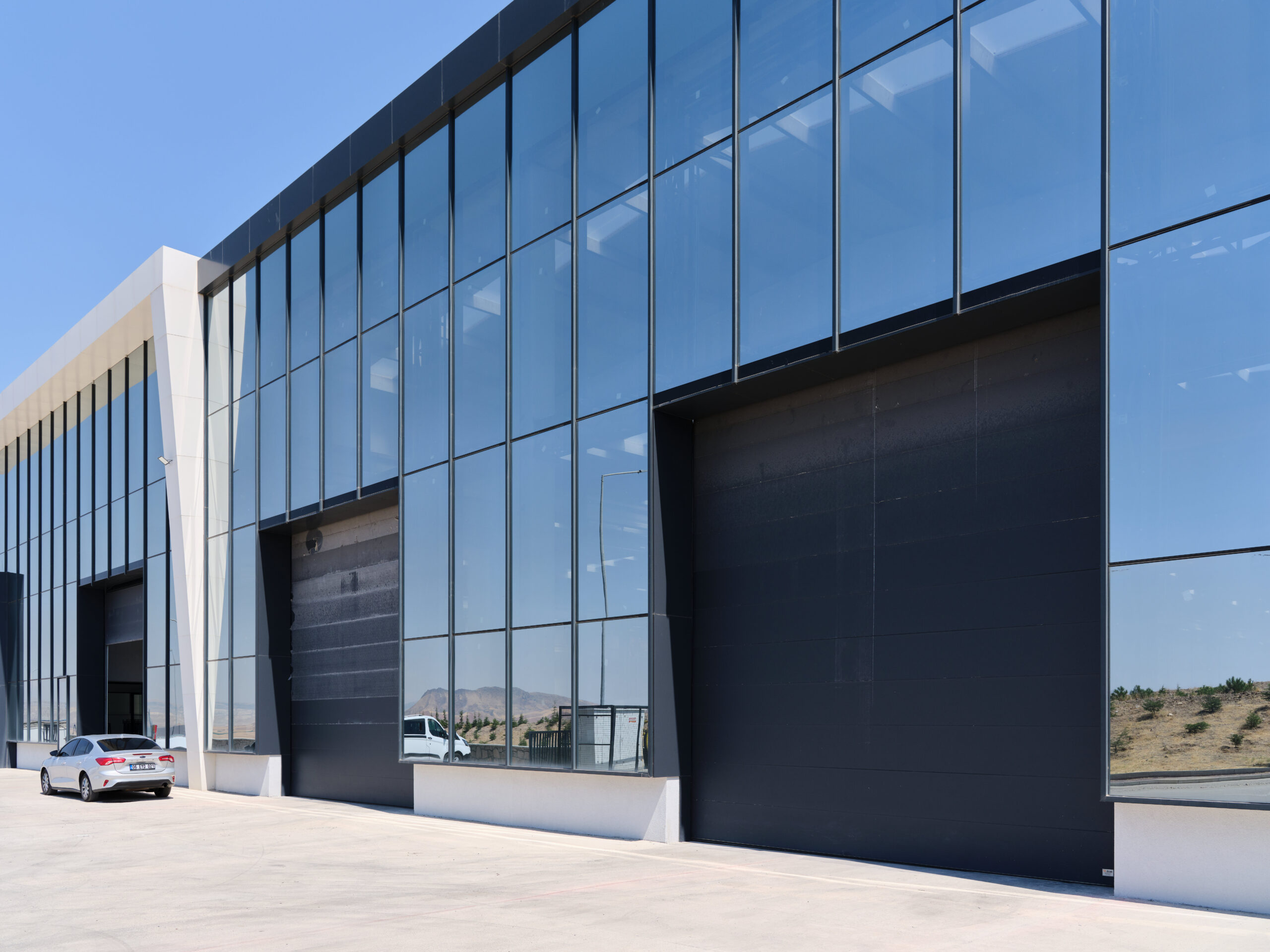
Commonly used in factories, warehouses, and logistics facilities. They are designed for heavy-duty use and can be produced in large sizes.
Ideal for home garages. They operate quietly, offer high insulation, and provide comfortable automatic use.
Include windowed panels to allow natural light inside — ideal for workshops, showrooms, and commercial buildings.
Specially designed for areas with intense traffic where faster opening cycles are required.
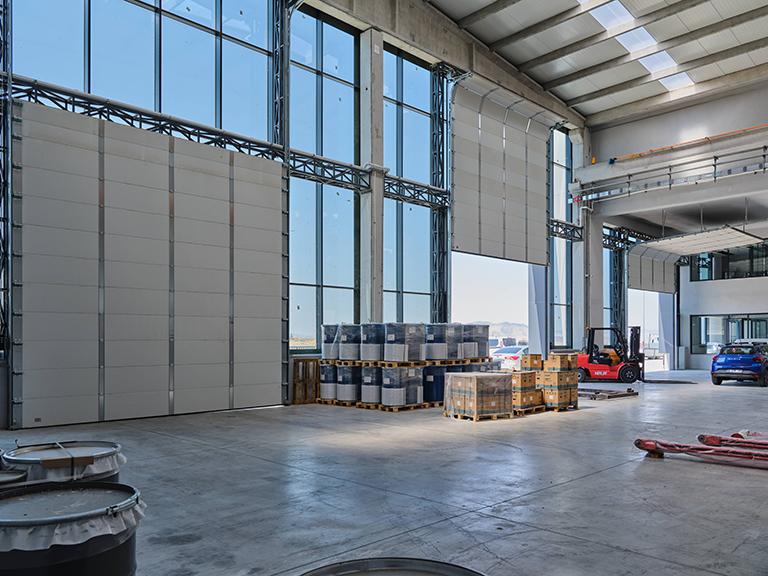
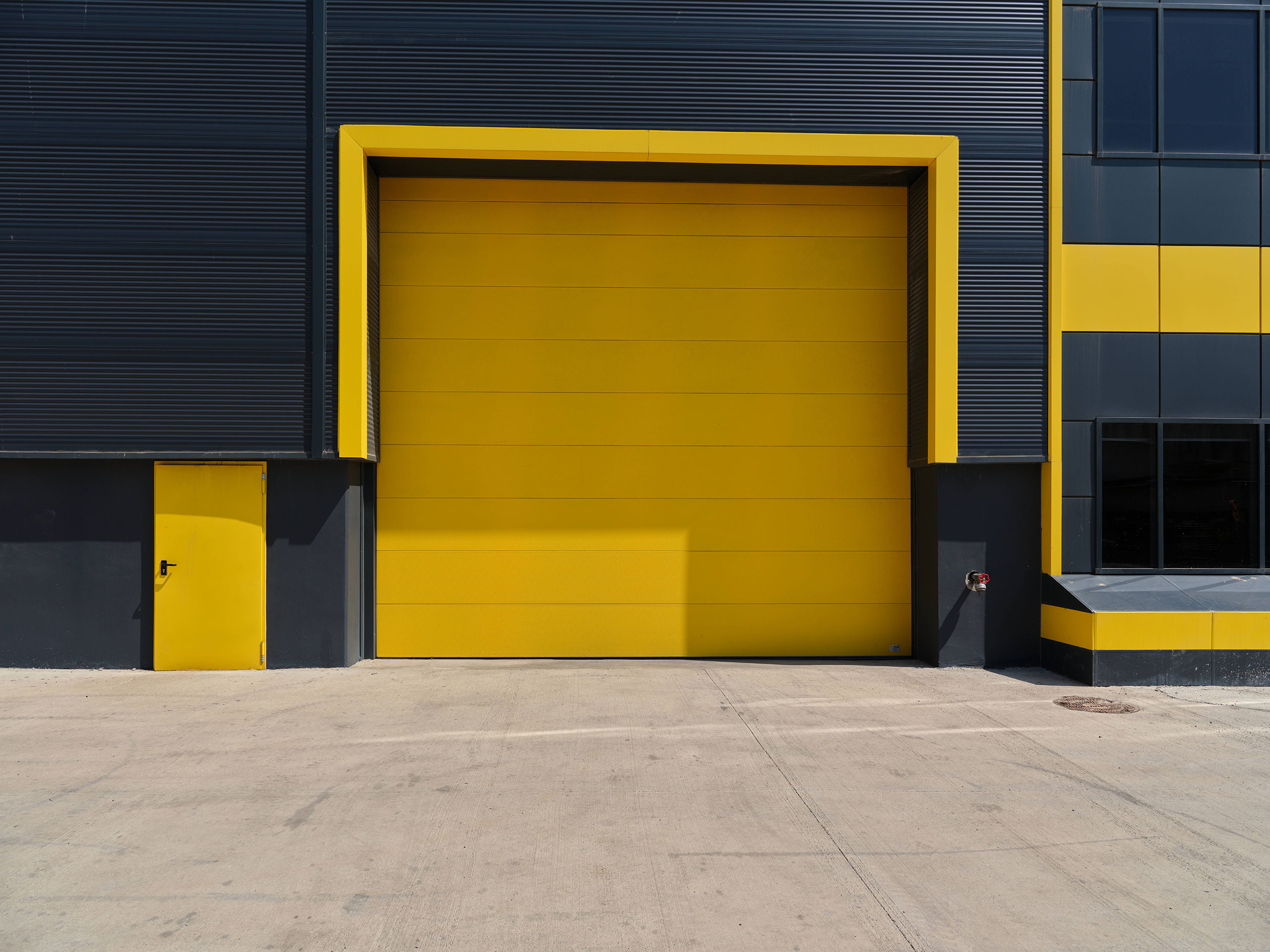
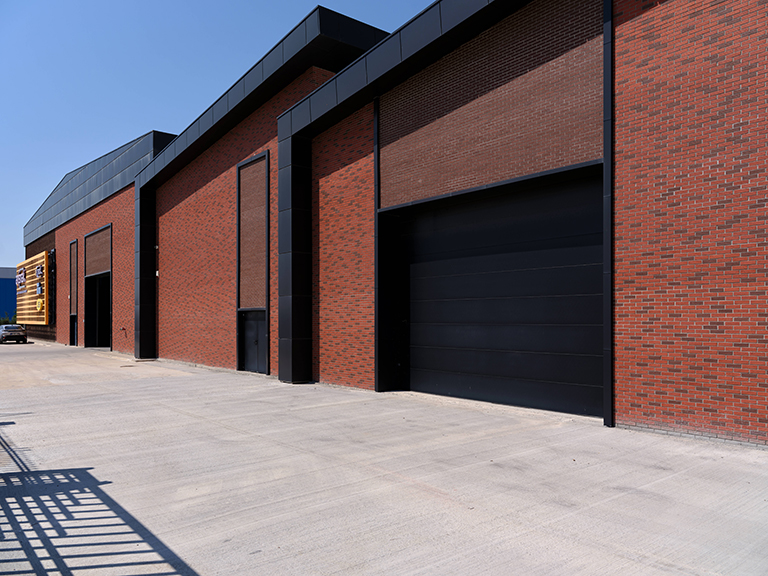
Sectional doors are preferred in a wide range of applications, including:
Their durability and insulation make them suitable for both indoor and outdoor use.
To select the right sectional door, these factors are important:
A high-quality sectional door reduces long-term maintenance costs and ensures a reliable operation.
Yes. Their galvanized steel construction and safety components make them highly durable for long-term use.
Not mandatory, but highly recommended for comfort, safety, and ease of operation.
Absolutely. Sectional doors can be produced to match specific project dimensions.
A yearly professional inspection and occasional lubrication of moving parts are generally enough.
With their strong structure, superior insulation, advanced safety systems, and customizable design, sectional doors are among the most effective and long-lasting solutions for industrial and residential buildings. For businesses looking for a high-performance system backed by engineering excellence, Dimak Sectional Doors offer a standout option. Designed for demanding industrial environments and produced using advanced manufacturing technologies, they deliver exceptional durability, safety, and operational efficiency.
To explore product details and discover the most suitable solution for your facility, visit Dimak Industrial Sectional Doors.